
Install a Heated Basement Floor


A heated basement floor is one of the most effective ways to make a basement feel like a true extension of your home. Basements are usually cooler than the rest of the house, and forced air systems often struggle to evenly heat the space. Radiant floor heating changes that by warming the floor surface directly, creating consistent, comfortable heat throughout the room.
How Heated Basement Floors are Installed
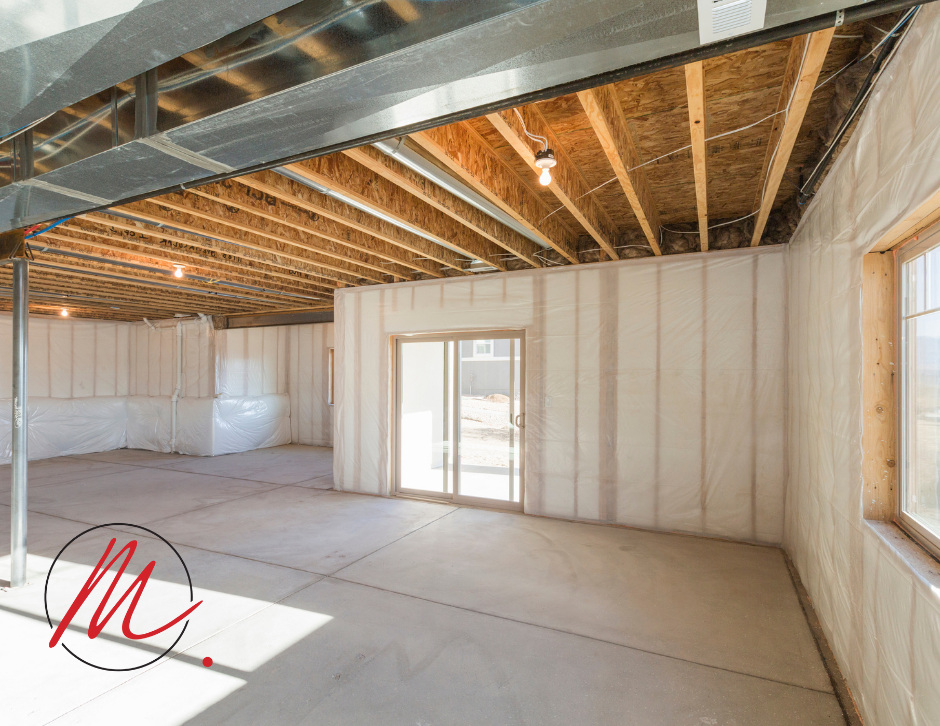
Heated flooring is typically installed as an electric radiant system during the basement renovation process, before the finished flooring goes down. The installation starts with preparing the subfloor, which must be clean, level and properly insulated to prevent heat loss downward. In many cases, a thermal break or insulation layer is added first to ensure the heat moves upward into the room rather than being absorbed by the concrete.
Once the surface is ready, heating cables or pre-formed heating mats are laid out across the floor. These are carefully positioned to avoid fixed elements like walls, vanities or future built-ins. The layout is planned in advance so heat is distributed evenly across walkable areas, rather than wasted under permanent fixtures.
After the heating elements are installed, they are embedded in a thin layer of self-levelling compound or mortar. This step protects the system, creates a smooth surface and ensures proper heat transfer. A floor sensor is also installed within this layer, which connects to a thermostat to regulate temperature accurately.
Finally, the finished flooring is installed over top. Tile is the most common choice because it transfers heat efficiently, but other materials like vinyl plank or engineered flooring can also be used with the right system and installation method.
Where Heated Floors Make the Most Difference
We most often install heated floors in basement bathrooms, where cold tile can make the space uncomfortable. Radiant heat eliminates that issue and helps moisture evaporate more quickly after showers, which is important for long-term durability.
In larger basement living areas, heated floors provide a more even temperature than forced-air heating. Instead of warm air collecting near the ceiling, heat rises gently from the floor, making the entire space feel more balanced and usable. This is especially noticeable in basements that previously felt cold or underused. Once the floor is warm, the entire room becomes more inviting.
Radiant floor heating is efficient because it delivers heat directly where it is needed. Rather than cycling air on and off, it maintains a steady temperature at floor level. Many homeowners find that this reduces the need to overheat the space just to stay comfortable. The system is also low-maintenance once installed. With no moving parts and protected beneath the floor, it is designed to last for years without ongoing servicing.
Ready to upgrade your basement? Get in touch!
At Marin Construction, we design basement renovations in Red Deer and Central Alberta that deliver on your vision – whatever that is.


Comments